Showing posts with label find online free Chat with Best Nutritionist. Show all posts

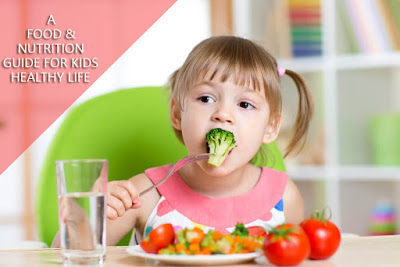
Healthy Eating Facts for Kid's

Many kids have the tendency to eat more and due to that the ratio of childhood obesity is been increasing rapidly. And that’s because of the stuff kids are eating everyday i.e., over processed and fat food – means no nutritional value. Give natural sources of vitamins and minerals to your child.
ask free diet plan on chat with dietitian
                              Free Chat with Nutritionist
Don’t battle over foods or use junk foods as a bribe for saying them to finish the food early. It’s OK if they have only little amount of food, make sure it’s healthy. And give them a dry fruit or a ragi + sesame seed ladoo or chocolate milkshake (homemade) post food which is healthy.

If your child is on any medication, ask the Doctor about drug interactions with some vitamins and minerals.

Few nutrients we need to give to every child which we call as ‘balanced diet’ which the child should get on daily basis: 

Protein:  Protein usually helps to build the body and breaks down food into energy, carries oxygen, increases immunity and fights with infection. 

Best sources: 
  • Fish
  • Chicken
  • Eggs
  • Dairy products
  • Lentils

Carbohydrates:  These days we get to hear the trend “cut the carbohydrates” which is not correct. In old days, carbohydrates were the main source and it’s an important source for energy. Carbohydrates help the child’s body to use fat and protein to build and repair tissues. But carbohydrates when we use should be complex not simple.

Best sources:
  • Wheat bread or multi grain bread
  • Oats 
  • Wheat crackers 
  • Brown rice
  • Cereals (corn , ragi)
  • Whole wheat pasta
  • Potatoes 

Fats: These are a great source of energy especially for kids and gets easily stored in a child’s body. It also helps the body to use some other nutrients properly.

Best sources:
  • Whole milk dairy products
  • Cooking oils
  • Chicken
  • Fish
  • Nuts
  • Seeds
  • Cheese
  • Butter
  • Ghee

Calcium: Kids about 4 to 8 are not getting enough calcium, according to government statistics. Calcium helps in developing bone mass, which is nearly built during childhood and adolescence. If not taken care in childhood then the person can get affected by osteoporosis, specially girls and women. Many calcium rich foods are also rich in vitamin D which helps in strengthening the bones and also prevent type 2 dm. Parents actually give up easily when children reject breast milk, you need to keep trying till he gets older. Calcium helps to build a child’s bones and teeth healthy. It also helps in blood clotting, functioning of the heart. 

Best Sources:
  • Cheese
  • Milk 
  • Yogurt 
  • Soy milk
  • Egg yolks
  • Spinach
  • Tofu
  • Spinach

Iron: Iron is important to build healthy blood which carries oxygen to cells and all over the body. Iron helps RBC carry oxygen to cells with whole body and plays a vital role in brain development.

Best sources:
  • Red meats
  • Liver
  • Poultry
  • Shellfish
  • Whole grains
  • Nuts
  • Beans
  • Figs and dates
  • Shrimp
  • Raisins
  • Soy nuts 
  • Chickpeas
  • Fortified cold and hot cereals (do check labels)

Folate: Good for the pregnant women and also very important for the kids. Folate is source of vitamins-B which is great for healthy growth and development of the cells of a child’s body. Deficiency of folate may cause anemia.

Best sources: 
  • Whole grain cereals
  • Lentils
  • Chickpeas
  • Asparagus
  • Black or kidney beans
  • Spinach 

Fiber: Though fiber is not digested, but still fiber is important for children because it keeps them full filling and helps in regular bowel movements. To add a point, eating fiber everyday may protect from chronic diseases in future. 

Best Sources:
  • High fiber cereal
  • Fruits like raspberries, orange, apple, blackberries, kiwi, strawberries and pears.
  • Beans & lentils
  • Chickpeas
  • Nuts
  • Flaxseed 
  • Green peas

Vitamin A: Vitamin A helps to build, grow bones, great for eyes, keeps skin healthy and prevents infection.

Best sources:
  • Carrots
  • Broccoli
  • Cabbage
  • Egg yolk
  • Spinach
  • Apricot
  • Fish oil

Vitamin C: Vitamin C is great for fighting common cold as it holds the body’s cells together helps to heal wounds, strengthens walls of blood vessels.

Best sources:
  • Strawberries
  • Tomatoes
  • Potatoes
  • Citrus fruits
  • Amla 
  • Cauliflower
  • Mangoes
  • Papaya 

Vitamin E:  Kids under the age 8 miss their vitamin E needs. Vitamin E acts as antioxidant which protects cells from damage. Some Parents stop giving peanut butter as they are scared of nut allergies and if it’s like this, then swap 2 tbsp of sunflower seed butter instead of peanut butter as they get vitamin E needs.

Best Sources:
  • Nuts 
  • Peanut butter
  • Avocado
  • Wheat germ
  • Spinach
  • Sunflower seeds

Potassium: Children get less dose of potassium usually, and this may be because of less fruits and veggies in their diet. Potassium is a key which maintains healthy fluid balance and helps muscles to contract. Pistachios contain the highest potassium content among all nuts.

Best Sources:
  • Orange
  • Banana 
  • White and sweet potatoes 
  • Cantaloupe
  • Milk
  • Yogurt
  • Dried apricot
  • Cod liver oil

Share:

DIET TIPS FOR NAVRATRI

Navratri, apart from Diwali is one of the main festivals celebrated all over India worshipping Mata Durga. Every year Hindus all over the world fast for nine days. The fasting period is recognized as Navratri Vrat by North Indians. The misconception by people is that substituting (carbohydrate) with much servings of fried potatoes, sabudana, papads, crispies, sweets etc will help in losing weight by saying vrat ka khana is just a myth. And apart from eating all wrong stuff, another common myth is not eating at all for losing weight. People usually are in the greed of putting down few kilos in 9 days; they starve from morning till evening and then actually go for a big meal in the evening which is just a ‘no’. It causes harm to metabolism and in return you get only fat, bloating and constipation in few. Navratri food especially sabudana is starchy, needs a lot of oil to be cooked which leads to constipation as our body is not used to starch. We need to change the way we cook especially while fasting. For Example, have a potato in a mashed form like alu chat rather than in fried form. If one wants to have French fries then you can use Air Fryer. It’s better to stay away from such foods (starchy, fried) as our immune system has a tendency to weaken during seasonal transitions.
ask any question about your diet online
Ask free diet plan on chat with Dietitian
Sharing few snack ideas which are nutritional and easy on digestive system so that you can enjoy festive fasting without compromising on your health and eating habits:

1. Cold pressed juices: Cold-pressed juices are full of fibre and vitamins. All day they will keep you all going especially while fasting as they are the perfect energy boosters. Fruit juices like kiwi, mosambi, pomegranate or a mixture of these three are great sources for energy. These are excellent sources of fibre, antioxidants, vitamin c and polyphenols and other essential nutrients. You can also make juice at home by adding tender coconut water and drink.

2. Makhana: Makhana can be consumed in roasted form and rich source of carbohydrates. It’s low fat content which makes a perfect snack to boost energy. Makhana can be consumed in roasted form or can have Makhane ki kheer using skimmed milk. Makhana are rich in magnesium and potassium.

3. Dry fruit ladoos :  People who has a sweet tooth can have a dry fruit Lado while fasting. Dry fruit ladoo is always healthy as they are filled with nutrients like proteins, calcium, potassium, iron, magnesium and these nutrients are required to maintain your energy level throughout the day. Also you can have dry fruits like kiwi, raspberries, blueberries (all unsweetened), prunes, apricot, dates are essential power packs. People with blood pressure needs to be taken extra care while fasting, if they feel headache or sluggishness then they can have lime + rock salt water in between. 

4. Farali biscuits: These biscuits are primarily made with peanuts, milk and jaggery powder. You can have them plane or with tea, coffee or milk. 

The following are essential diet tips which can be followed to remain healthy while on fasting period:


1. Eat after every 2-3 hours while fasting.  Because if you starve for a long time, your blood glucose levels may drop down that would take away your energy. So instead, try to have small 4-5 meals to maintain yourself.
2. Have more yogurt, buttermilk, smoothies, fruits which will fill you and maintain the required fluid level in the body.
3. Replace sugary sago kheer with makahna kheer or mixed fruit curd.
4. Instead of making kuttu pakoda and puri, make kuttu ki roti.
5. Drink milk twice a day, instead of whole milk replace with skimmed milk.
6. Hydrate yourself, not just water, you can go for fluids such as coconut water, lime water, and vegetable juices in order to keep your body hydrated and filled. Otherwise, you will be hungry as well as weak due to fasts.
7. Eat pumpkin, dudhi veggies in different forms and can make soups to fill you up.
8. Include all types of seasonal fruits in your diet unless you have Diabetes or any other medical condition.
9. Keep moving -We know fasting can make you tired and you might want to just rest and not move much. Try to walk for every five minutes every one hour or 10 sets of Suryanamaskar or basic exercises for 15 minutes to keep you fit.
10. Make sure that you stay hydrated and energized before you start dandiya. Have a combination of proteins and carbohydrates to stay energized. You can include milkshakes with dry fruits or a dry fruit laddu or chikki with fresh coconut water.
11. Do not starve for a long time. Focus more on health especially while fasting as during fasting one’s immunity gets on the lower side and many suffer from dehydration toon and become deficient of vitamins and minerals. So focus on health, drink 2-3 liters of water and have two fruits and dry fruits in a day.

Unhealthy foods vs Healthy foods:

1. Calorie rich sago kheer / sheera replace with mixed fruits with yogurt or milkshake
2. Fried foods made of potato like chips, puri, pakoda replace with tikki, unmashed sweet potato with low fat cheese
3. Coconut/peanut sugar chikkis replace with dry fruits chikkis (very little cashew, almonds, pista, roasted peanuts with jaggery or organic honey) or rajgira chikki
4. Banana chips replace with roasted makhana.
5. Excess tea/coffee replace with masala milk, milkshakes, buttermilk, vegetable juices without straining.

Common menu plan for Navratri :

On waking up:– 2 glasses of warm water with pinch of ginger powder

After half hour:- tea / coffee / milk

Breakfast:- a bowl of rajgeera or makhana kheer / 1 glass of fruit milkshake

Mid-morning:– 1 cup green tea with one seasonal fruits with 1 fig and 1 date

Lunch:- 1 amaranth stuffed paratha / a bowl of dahi alu chat / 1 kuttu atta roti with veggies

Mid-evening:- tender coconut water with 5 almonds + 2 walnuts 

Dinner:- 3-4 paneer or vegetable cutlets / handful of boiled peanuts with vegetable soup / same as lunch

Bed time:– 1 cup milk with pinch of turmeric powder

Note: This is a common diet plan for the one who fasts in Navratri. Diet may vary from person to person. If you have any health conditions then please consult your health instructor before following any plan.

Share:

Salt is an Essential Ingredient Consumed Everyday to add Flavor to Our Foods


But this natural mineral becomes poison till it reaches our home. 


Here is some health dangers associated with table salt:


Iodised salt which is available in the market contains iodine to avoid iodine deficiencies. But the truth is it not adequate to compensate for most iodine deficiencies also most of the people are not iodine deficient.
ask any question about your diet online
online health chat with our experts
Method of removing impurities and addition of iodine requires highly processing and refining. During this process most of the minerals are stripped out, anti-caking/anti-clumping agents and other chemicals are added to the salt which is toxic for liver and kidneys. 

Increase in salt consumption can cause a rise in blood pressure, heart attacks, strokes, kidney disorders, diabetes, acid formation and other major health issues. Also can lead to water retention which is the sole reason from weight loss frustrations and body puffiness.

So are you wondering if not table salt then which salt can be healthy?

Let’s discuss about some natural salts which are safe and has amazing health benefits:

Sea salt/rock salt is better than table salt, unrefined and contains vital nutrients.

Rock salt is not very expensive. It improves appetite, aids in digestion and soothes heartburn. Helps stabilize blood pressure by maintaining a balance of high and low blood pressures. Rock salt can be used to stimulate your body's metabolism and greatly improves body's immune system etc.

Other best option is Pink Himalayan salt which is considered to be the most pure form of whole salt on earth. It contains 84 trace minerals with many health benefits. Detoxifies body, improves sleep, Balances body pH, and relaxes muscles & mind, Soothes away soreness, in contrast to regular salt lowers blood pressure, Improves blood circulation and healthy arteries and many more there on the list.

I am personally no more using table salt and have switched to Himalayan salt. I am sure by now you too must have decided to quit table salt and move to other healthier options. 

Healthy Tip: Abstain from adding salt in your salads, yogurts, fruits you can add healthy salads dressings such as lime, black pepper, basil, chili flakes, oregano, mint, mustard, ginger etc.

Share:

Facebook

Recent Posts

Labels

Contact Form

Name

Email *

Message *