Showing posts with label free online nutritionist chat. Show all posts

Healthy Eating Facts for Kid's

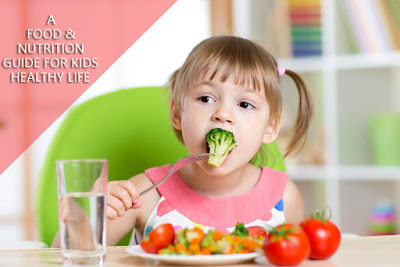
Many kids have the tendency to eat more and due to that the ratio of childhood obesity is been increasing rapidly. And that’s because of the stuff kids are eating everyday i.e., over processed and fat food – means no nutritional value. Give natural sources of vitamins and minerals to your child.
ask free diet plan on chat with dietitian
                              Free Chat with Nutritionist
Don’t battle over foods or use junk foods as a bribe for saying them to finish the food early. It’s OK if they have only little amount of food, make sure it’s healthy. And give them a dry fruit or a ragi + sesame seed ladoo or chocolate milkshake (homemade) post food which is healthy.

If your child is on any medication, ask the Doctor about drug interactions with some vitamins and minerals.

Few nutrients we need to give to every child which we call as ‘balanced diet’ which the child should get on daily basis: 

Protein:  Protein usually helps to build the body and breaks down food into energy, carries oxygen, increases immunity and fights with infection. 

Best sources: 
  • Fish
  • Chicken
  • Eggs
  • Dairy products
  • Lentils

Carbohydrates:  These days we get to hear the trend “cut the carbohydrates” which is not correct. In old days, carbohydrates were the main source and it’s an important source for energy. Carbohydrates help the child’s body to use fat and protein to build and repair tissues. But carbohydrates when we use should be complex not simple.

Best sources:
  • Wheat bread or multi grain bread
  • Oats 
  • Wheat crackers 
  • Brown rice
  • Cereals (corn , ragi)
  • Whole wheat pasta
  • Potatoes 

Fats: These are a great source of energy especially for kids and gets easily stored in a child’s body. It also helps the body to use some other nutrients properly.

Best sources:
  • Whole milk dairy products
  • Cooking oils
  • Chicken
  • Fish
  • Nuts
  • Seeds
  • Cheese
  • Butter
  • Ghee

Calcium: Kids about 4 to 8 are not getting enough calcium, according to government statistics. Calcium helps in developing bone mass, which is nearly built during childhood and adolescence. If not taken care in childhood then the person can get affected by osteoporosis, specially girls and women. Many calcium rich foods are also rich in vitamin D which helps in strengthening the bones and also prevent type 2 dm. Parents actually give up easily when children reject breast milk, you need to keep trying till he gets older. Calcium helps to build a child’s bones and teeth healthy. It also helps in blood clotting, functioning of the heart. 

Best Sources:
  • Cheese
  • Milk 
  • Yogurt 
  • Soy milk
  • Egg yolks
  • Spinach
  • Tofu
  • Spinach

Iron: Iron is important to build healthy blood which carries oxygen to cells and all over the body. Iron helps RBC carry oxygen to cells with whole body and plays a vital role in brain development.

Best sources:
  • Red meats
  • Liver
  • Poultry
  • Shellfish
  • Whole grains
  • Nuts
  • Beans
  • Figs and dates
  • Shrimp
  • Raisins
  • Soy nuts 
  • Chickpeas
  • Fortified cold and hot cereals (do check labels)

Folate: Good for the pregnant women and also very important for the kids. Folate is source of vitamins-B which is great for healthy growth and development of the cells of a child’s body. Deficiency of folate may cause anemia.

Best sources: 
  • Whole grain cereals
  • Lentils
  • Chickpeas
  • Asparagus
  • Black or kidney beans
  • Spinach 

Fiber: Though fiber is not digested, but still fiber is important for children because it keeps them full filling and helps in regular bowel movements. To add a point, eating fiber everyday may protect from chronic diseases in future. 

Best Sources:
  • High fiber cereal
  • Fruits like raspberries, orange, apple, blackberries, kiwi, strawberries and pears.
  • Beans & lentils
  • Chickpeas
  • Nuts
  • Flaxseed 
  • Green peas

Vitamin A: Vitamin A helps to build, grow bones, great for eyes, keeps skin healthy and prevents infection.

Best sources:
  • Carrots
  • Broccoli
  • Cabbage
  • Egg yolk
  • Spinach
  • Apricot
  • Fish oil

Vitamin C: Vitamin C is great for fighting common cold as it holds the body’s cells together helps to heal wounds, strengthens walls of blood vessels.

Best sources:
  • Strawberries
  • Tomatoes
  • Potatoes
  • Citrus fruits
  • Amla 
  • Cauliflower
  • Mangoes
  • Papaya 

Vitamin E:  Kids under the age 8 miss their vitamin E needs. Vitamin E acts as antioxidant which protects cells from damage. Some Parents stop giving peanut butter as they are scared of nut allergies and if it’s like this, then swap 2 tbsp of sunflower seed butter instead of peanut butter as they get vitamin E needs.

Best Sources:
  • Nuts 
  • Peanut butter
  • Avocado
  • Wheat germ
  • Spinach
  • Sunflower seeds

Potassium: Children get less dose of potassium usually, and this may be because of less fruits and veggies in their diet. Potassium is a key which maintains healthy fluid balance and helps muscles to contract. Pistachios contain the highest potassium content among all nuts.

Best Sources:
  • Orange
  • Banana 
  • White and sweet potatoes 
  • Cantaloupe
  • Milk
  • Yogurt
  • Dried apricot
  • Cod liver oil

Share:

Tips for Healthy Heart | Chat With Dietitian


A heart attack is a serious medical condition (myocardial infarction) where the supply of blood is suddenly blocked by a blood clot. Lack of blood to heart would damage the heart muscle seriously and that’s a life threatening.
ask a dietitian online free

                                                      Free Online Nutritionist Chat
Symptoms of heart attack: 

• Pain or discomfort in chest: Most attacks involve discomfort in center of chest which just lasts more than few minutes. It feels like uncomfortable pressure or squeezing or fullness or pain.
• Nausea or vomiting or light-headedness
• Jaw, neck or back pain (this is rare)
• Discomfort or pain in arm or shoulder
• Shortness of breath

If you feel these symptoms to someone near you, please share and for safe side go for the tests done like – lipid profile, ECG, 2d Echo and consult a cardiologist as soon as possible.

Function of the heart:  Human heart is a organ which pumps blood all over the body through the circulatory system. It also supplies nutrients and oxygen to tissues and removes carbon-di-oxide and other wastes. If heart fails to do the function, the tissues begin to die.

Common heart ailments: 

1. Coronary artery disease: Blood vessels carry oxygenated blood to heart and get blocked due to deposition of plaque and it forces the heart to pump harder. This is because of high blood cholesterol levels.
2. Myocardial infarction: It’s commonly known as heart attack and it’s fatal. 
3. Congestive heart failure: It’s a heart disease that develops as a result of cad or mi. The heart of the patient damages supplies insufficient oxygenated blood to body. This causes fatigue and shortness of breath.

Risk factors which lead to heart disorders:

Age: The cardiac muscles start losing the tensile strength by age
Gender: usually men are at greater risk of heart disease
Family history : of course, family history of heart disease increases your risk of cad but in today’s generation due to sedentary lifestyle, people usually suffering with heart disease or diabetes or sudden death due to attack.
High blood pressure: uncontrolled high BP results in thickening of arteries
High lipid profile: High triglycerides or cholesterol levels increases the risk of artery blockage.
Diabetes: It’s direct risk factor of heart disease
Obesity: obese person or overweight is one the reason
Physical inactivity: if you are not active physically active so that increases your cholesterol levels and makes you lethargic.
Stress: stress may damage the arteries and lead to allowance of free radicals.
Smoking: nicotine in cigarettes constricts the blood vessels where as the carbon mono oxide damages their inner lining.

Preventive tips for heart attack and healthy heart:

• Smokers should quit smoking.35% heart related deaths are related directly to smoking.
• Have a compulsory full body check up yearly twice.. 
• Lost weight if you are obese or overweight and maintain  a BMI in normal range
• Stick to a regular physical activity; get out of the sedentary lifestyle. – try to walk at least for 30 minutes every day, include climbing stairs, gardening etc. This cuts your risk of attack by half. Exercise survives heart attacks. Regular physical activity strengthens the heart muscles.
• Stressful jobs are responsible for heart attacks. Choose a work place which is cool.
• Eat a low fat, high fibre and moderate protein diet which include whole grain, fresh veggies and fruits. Eat in moderation. Mixture of fruits and veggies gives you antioxidants where your body will be free from free radicals and toxins. Tomatoes, lemon, spinach, carrots, broccoli, onions, garlic reduce cholesterol fights with free radicals damage. You can include fish as it contains omega fatty acid which is good for heart.
• Control alcohol consumption.

While when we are travelling to some other city and while we are at station, did you guys ever noticed a train and we of course imagine that how does it works?  What is that machine which pulls the other coaches continuously that too so many. And we know that’s engine which pulls the train coaches. Now imagine, if the engine doesn’t work properly so it’s definitely going to effect on the train coaches, right? So now compare your body as a train coach and engine as your heart. The train coaches are like our body parts (kidney, liver, brain etc). So the engine which takes the coaches along is our heart. As without engine, the train cannot run, the same way without our heart our body cannot. So take care of your heart and body.

Tips for healthy heart:

• Consume healthy fat: Try avoiding saturated fats and Tran’s fat. High fats like bakery products, fried foods, red meat. Use healthy oils like mustard, olive. Include fish like salmon, sardines and tuna. Veg sources of omega 3 fatty acids are flaxseeds, sunflower seeds, olive oil, almonds, and walnuts.
• Restrict salt intake: Don’t add extra table salt in your diet as extra salt increases blood pressure. Cut down on processed and canned foods. Avoid high salt crackers and snacks. Use pink rock salt.
• Include traditional foods in diet: Traditional foods like whole grains which are a good source of fibre, minerals and vitamins. It helps to regulate blood pressure. Include millets, cereals, quinoa, oats, and bran.
• Consume fruits and vegetables: Any fruit or any vegetable has some antioxidants which reduces stress, decreases cholesterol and controls plaque formation. It improves one’s immunity. You can have raw or can make a soup of veggies or juice but not strain as the fibre content vanishes.
• Limit alcohol and sugar intake: Alcohol reduces good cholesterol. It affects your heart rate and causes weight gain. Excess sugar is converted into fat and gets stored in body. So limit the intake of sugar, have in moderation.
• Control portion size: Use small plates or tips. While you dine out, order only the amount as to where your body can accept. Doesn’t binge eat?
• Physical activity:  As said above, include 30 minutes of walk everyday as a routine which is very necessary for the heat to function properly or cardio workout everyday of 30 minutes and its proven to improve cardiac stamina and capacity. It helps to reduce cholesterol, weight management, reduces stress. Include swimming, dance workouts like aerobics or zumba or yoga. 
• Stress and sleep: Sleep for at least 8 hours which allows our body to rejuvenate and helps your skin to glow. Meditate for at least 5 to 10 minutes every day to keep your mind calm. Start an activity which de stresses your mind. Listen to music or dance or any other thing which you like.

Sample diet plan for heart patients:

The diet can be followed by a normal person also who wants to have a healthy heart.

On waking up (empty stomach):  1 glass of warm water with pinch of cinnamon + 2-4 garlic pods 
After half an hour: tea / coffee with 1 Marie biscuit (optional)
Breakfast: 3 idly / 2 moong dal chilla / rawa dosa 2 / daliya 1 cup 
Mid morning: – 1 cup green tea with any one seasonal fruit
Lunch:  1 cup rice or 2 chapatti with veggies and dal with salads and buttermilk or curd.
If you are a non vegetarian then you can include egg whites/ chicken or fish.
Mid evening:  tea or coffee
After half an hour: 1 more fruit + 5 almonds and 2 walnuts with 1 tsp flaxseed
Dinner: 2 ragi roti with veggies and dal or you can repeat breakfast or lunch options
Bed time: 1 cup low fat milk with pinch of turmeric powder.

Take care if your health. Eat smart. Drink 2-3 litres of water every day as it helps to flush out toxins from your body. It’s your body, you have to live in. Hope these tips would help you now and even in future. Please do share with your family and friends.

Share:

Facebook

Recent Posts

Labels

Contact Form

Name

Email *

Message *